

Welcome to the Solar Service Family!
1,253 Five Star Google Reviews & Counting:
532 San Antonio Reviews ·
721 Austin Reviews

Our Story

Lifelong friends and South Central Texas natives, Brian & Harrison founded Solar Service in 2017 after they saw how many solar owners were being abandoned by their original installer.
Almost 10 years later, we are the Highest Rated Energy Company in America — servicing Solar, Batteries, & EV Chargers.

Meet the Team
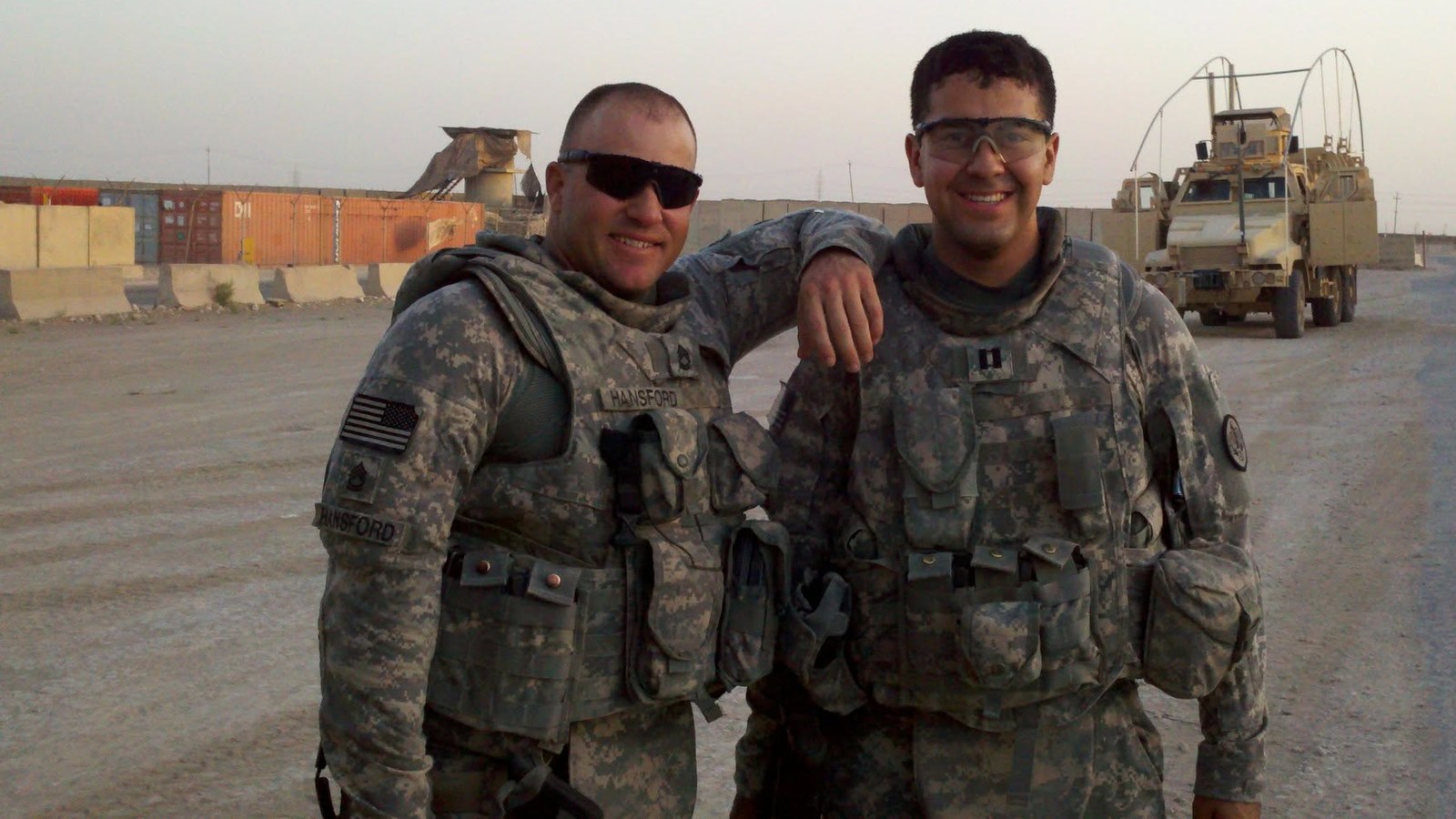
Brian Rodriguez
- ✓4th Generation Veteran (9/11 Wars, Korea, WWII, WWI)
- ✓Born & Raised In Texas
- ✓West Point Graduate
- ✓Co-Founded Solar Service In 2017
- ✓Former Cavalry Officer, U.S. Army

Harrison Moats
- ✓7th Generation Texan
- ✓17 Years Of Solar Maintenance Experience
- ✓Texas Tech Renewable Energy Graduate
- ✓Co-Founded Solar Service In 2017
We Started Solar Service for You!
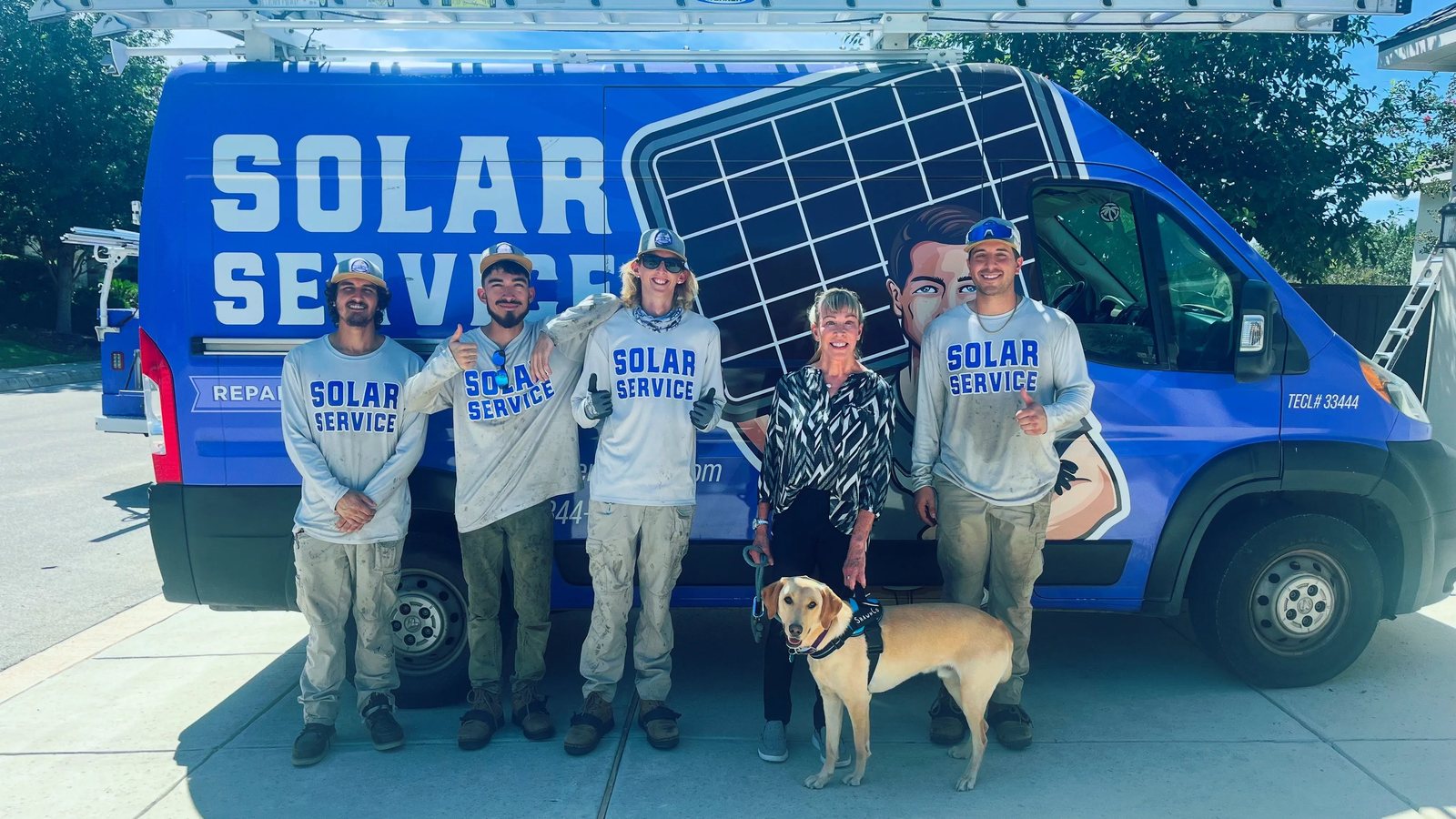
- ✓Built for Abandoned Solar Owners
- ✓Not a Solar Sales or New Installation Company
- ✓Actual Electrician Experts
- ✓Best Warranty in Solar That Actually Means Something
How a Home Solar System Actually Works
There are only three moving parts worth understanding. The panels on your roof turn sunlight into DC power. An inverter — either one box on the wall, or a small one clipped behind each panel — converts that into the AC power your house runs on. From there it feeds your electrical panel, your house uses what it needs, and anything left over goes out to the grid.
That is the whole chain. When people say “my solar stopped working,” what they almost always mean is that one link in it has failed and the rest is sitting there fine.
The Four Things That Actually Break
- The inverter.The most common failure on any system more than a few years old. It is the hardest-working component up there and the one with the shortest life.
- Microinverters and optimizers.On Enphase and SolarEdge systems the electronics live on the roof behind the panels. One failing unit can quietly take a panel or a whole string offline.
- Critters and wiring.Squirrels and birds nest in the gap between the panels and the shingles and chew the DC wiring. Far more common in Central Texas than people expect.
- Roof penetrations.Where the mounts go through the roof. Done poorly or left unflashed they leak — and you usually find out from a ceiling stain, not from the array.
Solar Fails Quietly — That Is the Real Problem
A water heater leaks on the floor. A broken air conditioner makes the house hot in July. Solar does neither. When it stops producing, nothing in your house changes. No noise, no alarm, no symptom you can feel.
So most homeowners find out months later, from a utility bill that came in higher than it should have. By then they have paid for electricity they already owned the equipment to make.
Four Signs Worth a Phone Call
- Your electric bill went up and nothing else changed.Same house, same habits, same season as last year, bigger bill. The most reliable signal there is.
- A light on the inverter is red, amber, or off.Go look at the box, usually in the garage or on an exterior wall. It should be showing a steady green.
- Your app shows a panel, a string, or the system at zero.If your system came with monitoring, a flat line is worth a call even when everything looks fine from the ground.
- You can see something.A cracked or discolored panel, hanging conduit, nesting material or droppings under the array.
Dirt Is Real, but It Is Not Usually the Answer
Soiling does cost you something. In Central Texas, between the cedar pollen in spring and the dust that settles through a dry summer, a neglected array typically gives up somewhere in the range of one to two percent a year. Worth cleaning. Not worth confusing with a failure.
If your production dropped off a cliff rather than drifting down slowly, dirt is not what happened. Something broke.


Where Solar Service Works
One crew, one service area — Williamson County down through Austin, the Hill Country and San Antonio.
Shaded area is where we run calls. Not sure about your street? The Book Now scheduler checks your zip in one step.
Let’s get your solar working again.
Book online in under two minutes, or call and talk to someone in Texas.