Home Battery Backup, and What It Really Covers
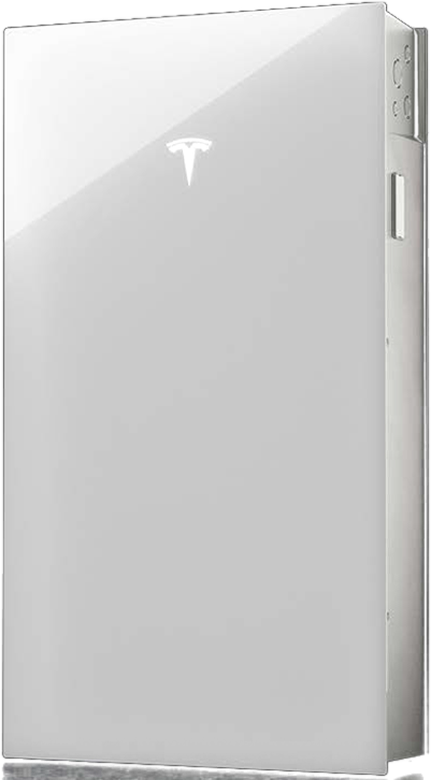
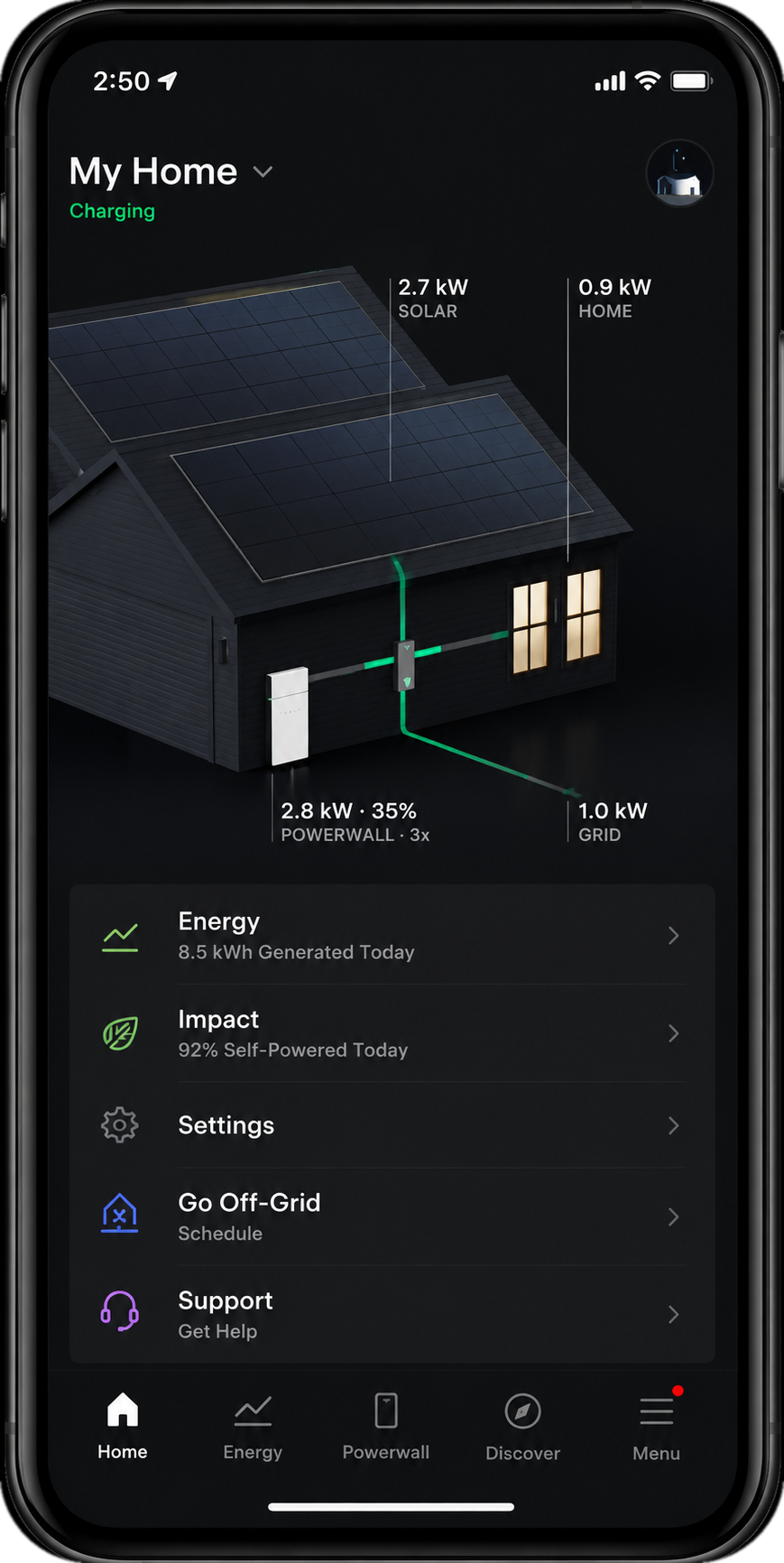
Most people who call us about a Powerwall are not asking about the bill. They are asking about the last time the power went out and stayed out. Without a battery a grid-tied solar system shuts down during an outage — that is a safety rule, not a fault — so the panels sit idle exactly when you want them most. A Powerwall is what changes that.
The honest limit worth knowing up front: a home battery carries the circuits you choose, for as long as the capacity you bought allows. Refrigerator, internet, lights, outlets, a well pump. Running central air through a long outage is a bigger system and a different number. Decide what you want kept alive and for how long before anyone quotes you, because that answer drives the whole design.
Adding a Powerwall to solar you already own is most of what we do. Whether it is simple or involved comes down to the inverter you already have and the space in your electrical panel, which is why we look before we quote. Doesn’t matter who installed the original system.
We also service Powerwalls we did not install. Not charging, not discharging, backup that failed to kick in during an outage, gateway and app trouble, or adding a second unit. Most of those turn out to be settings, a breaker or a communications fault rather than a dead battery.
Powerwall 3 puts the solar inverter inside the battery, which on a new install means fewer boxes on the wall and one less thing to fail. On a retrofit it depends entirely on what you already own. We will tell you which way makes sense, and we have no reason to push you either way.
Home Battery Backup Explained
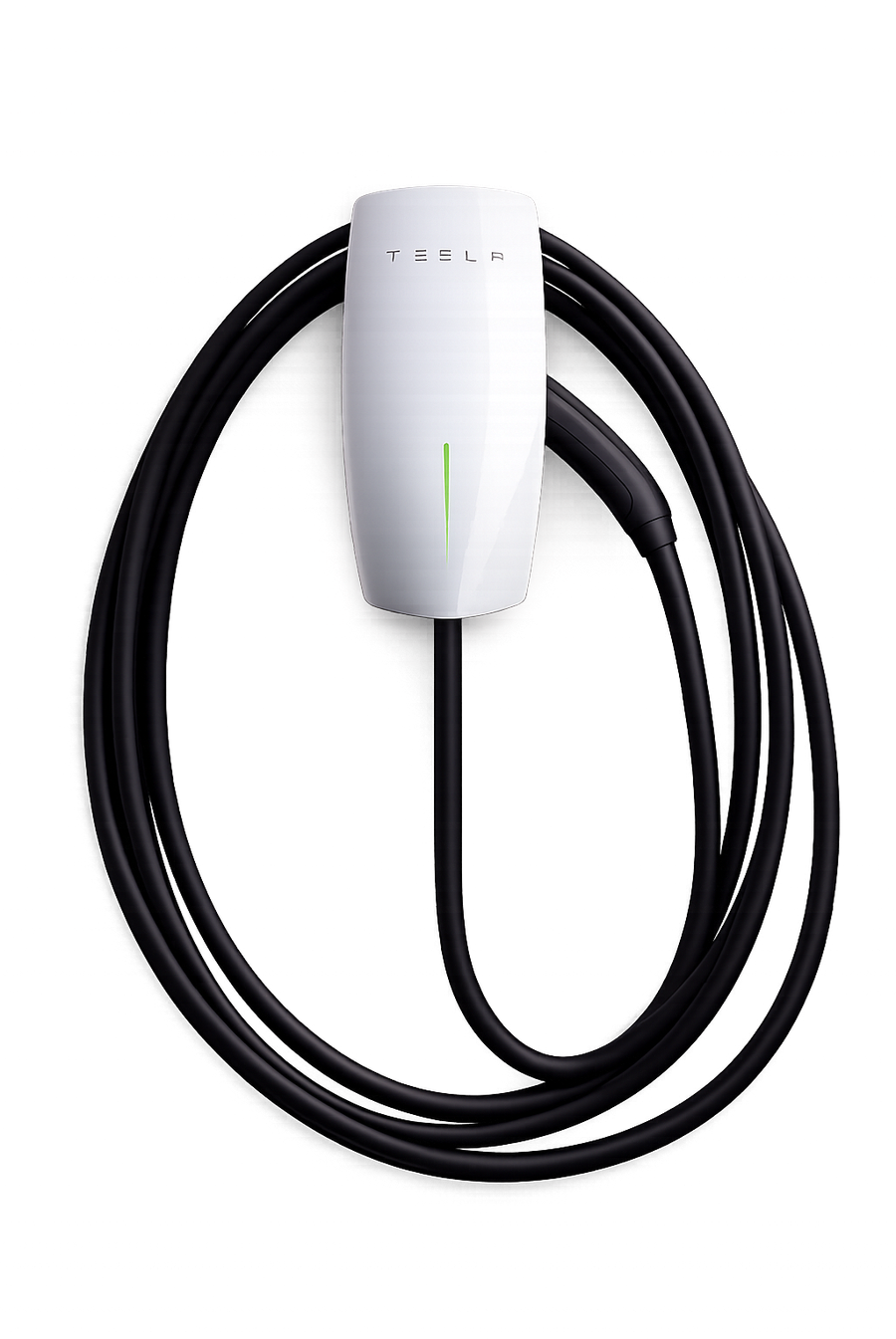
Check Out Tesla Wall Connector Installation