

Solar Panel Additions in Austin
Sometimes adding a few panels is a great way to boost production without a major retrofit of the system. Better still, we can do it at the same time we fix whatever problem brought us out in the first place.

Real Upgrades on Real Texas Roofs
Same house. Same roof. A completely different system.
Before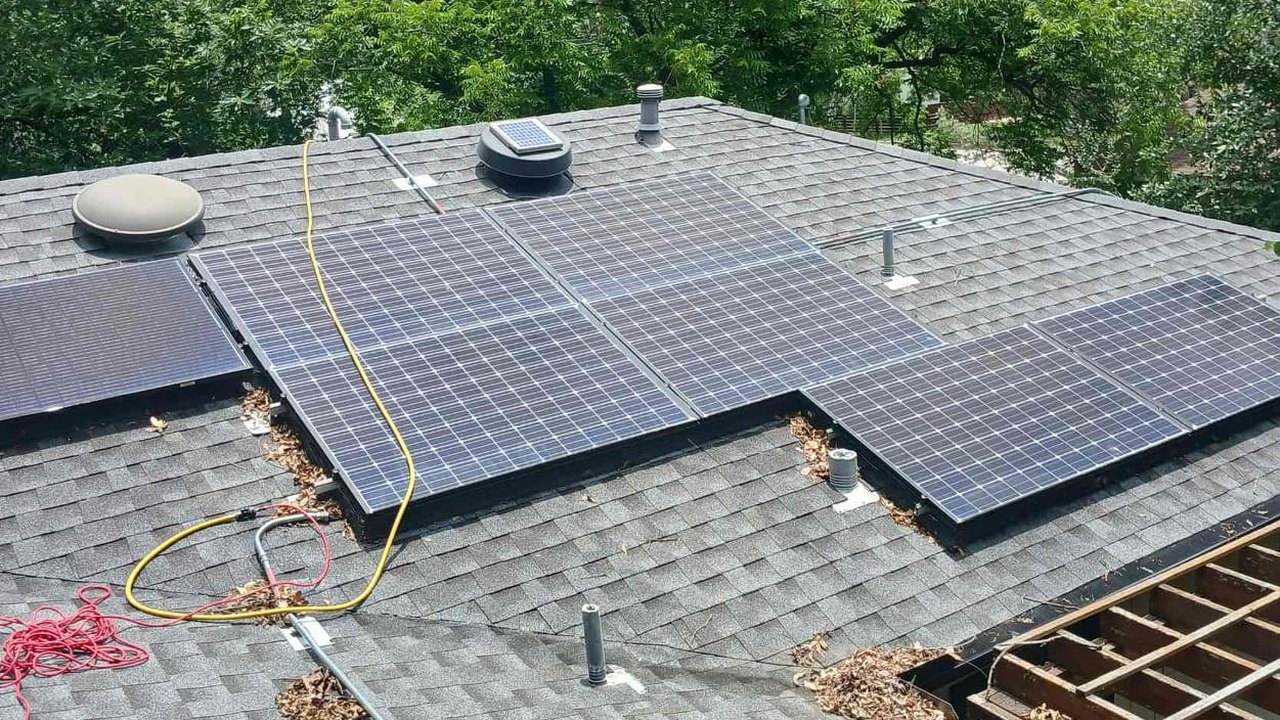
After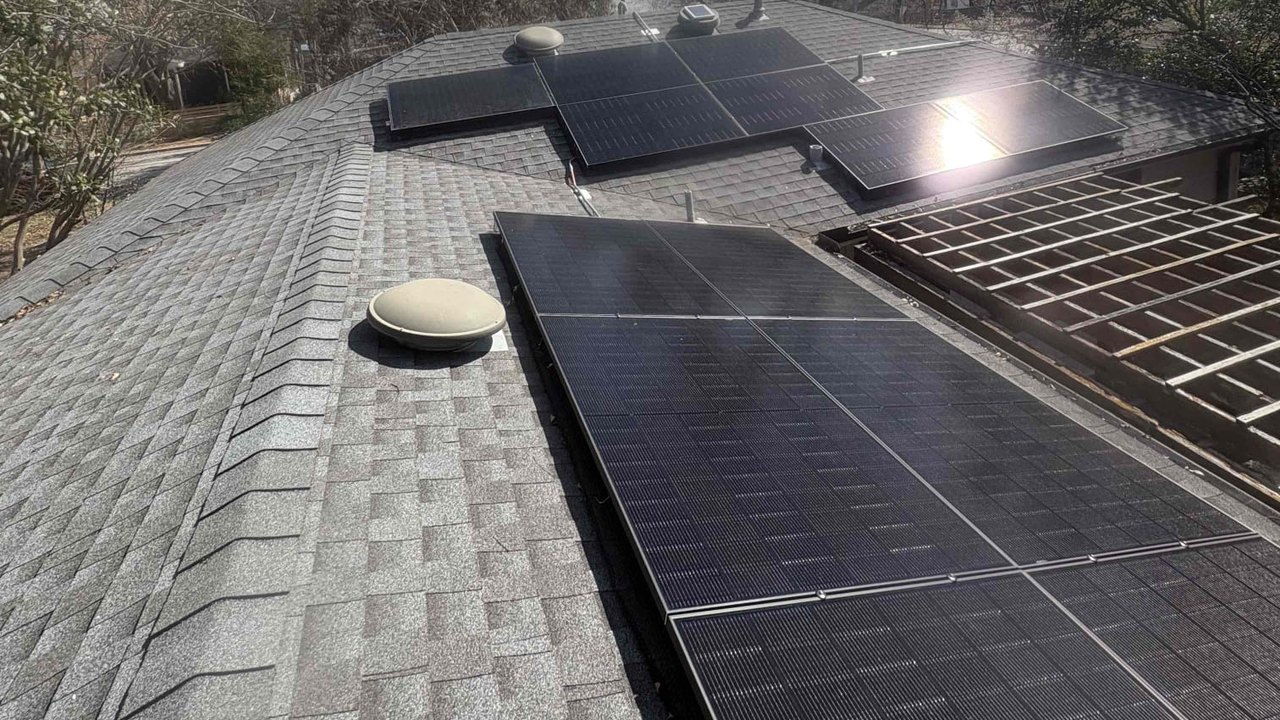

Meet the homeownersThe Ramos family rode out the 2021 freeze keeping one room at 45 degrees with the oven. They wanted a battery so that never happens again.
Before
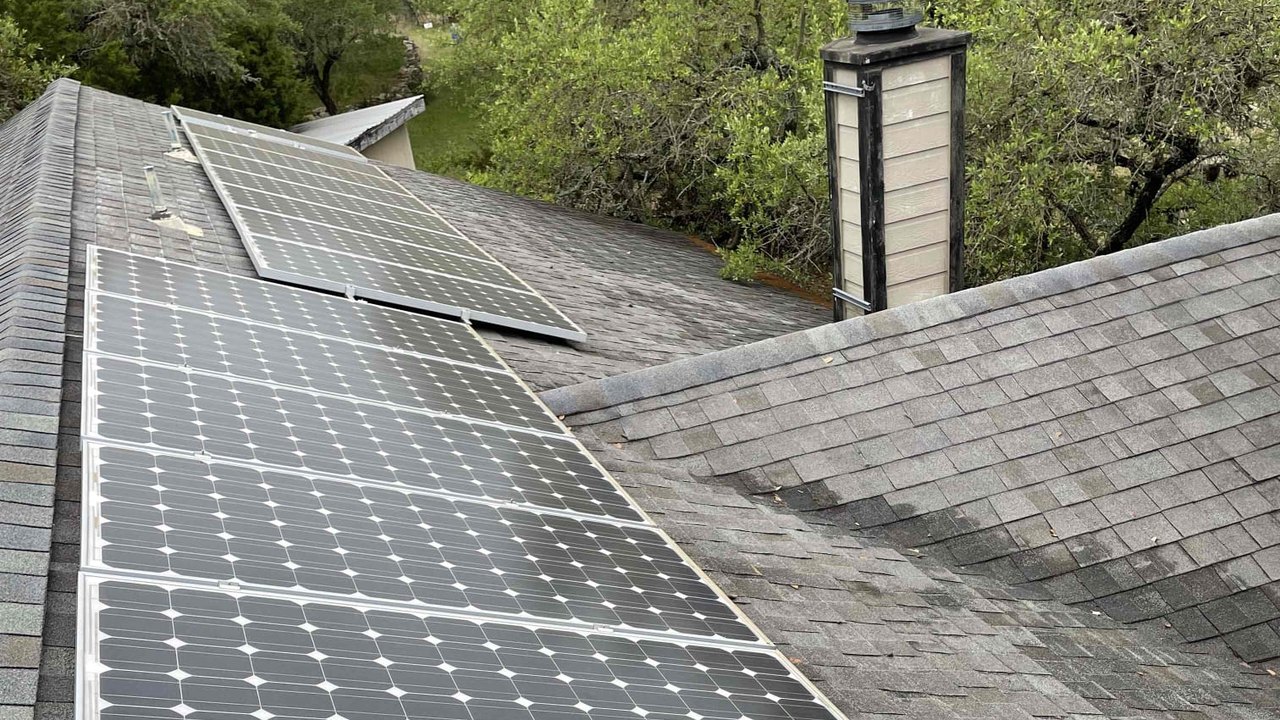
After
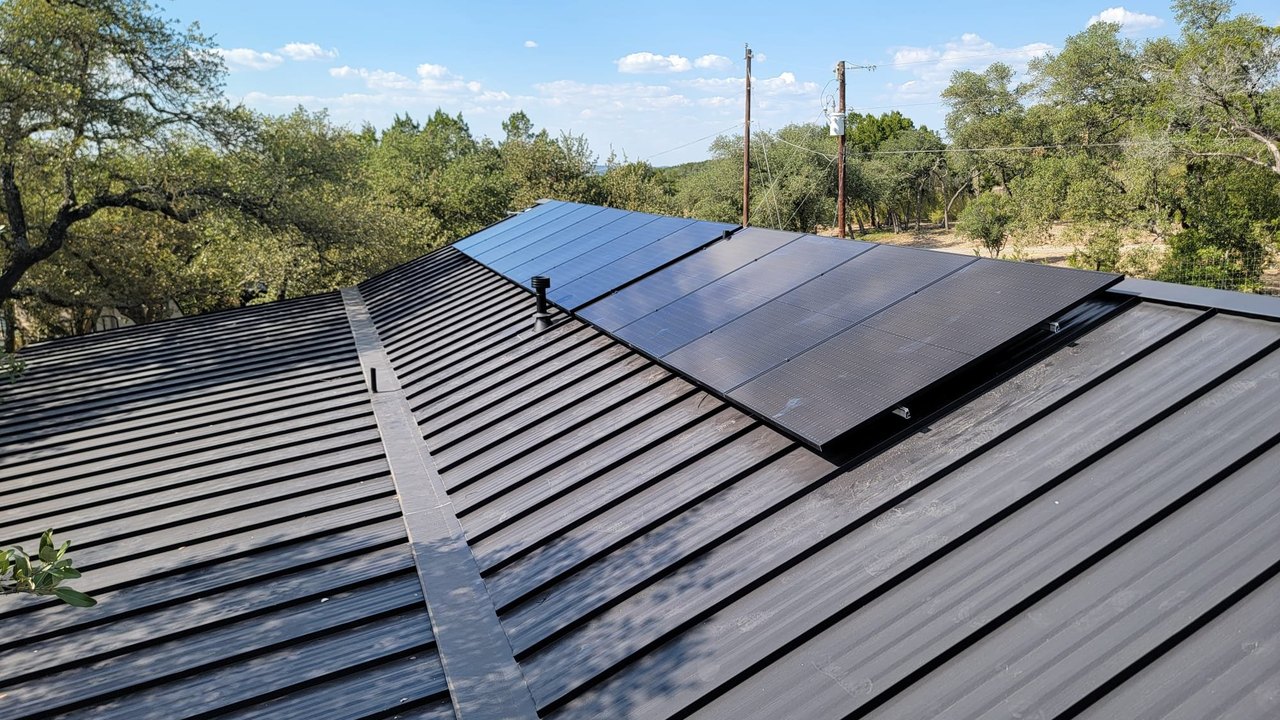
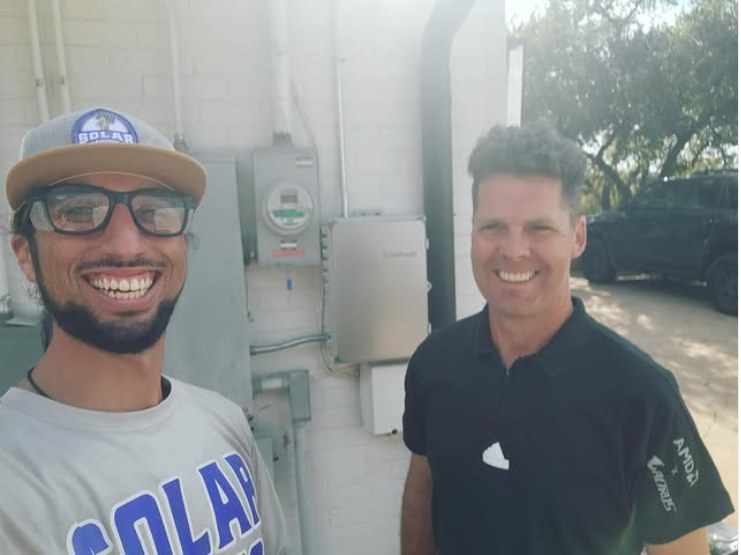
Meet the homeownerDan upgraded to new Mission Solar panels and Enphase microinverters, leaving him battery and EV-charging ready for whatever comes next.
Same solar. Now it works when the grid doesn’t.
Solar only
0kWh stored
- Panels shut down the moment the grid goes out — that is code, not a fault
- Nothing runs after sunset
- Midday surplus exports at the utility’s rate
- No protection through a Texas storm week
- The EV charges on grid power all night
Solar + Powerwall
13.5kWh stored, per unit
- Lights, fridge and internet ride through an outage
- Your own power after dark instead of the grid’s
- Store the midday surplus rather than selling it cheap
- Storm Watch charges full ahead of severe weather
- Stack a second Powerwall as your loads grow
Top Four Reasons Systems Need Expanding
- Life Changed and the Bill Came BackNew EV, growing family, working from home, a shop out back. The system still works, it just no longer covers what the house does.
- There Is Headroom on the Inverter, or There Is NotWhether you can add panels at all comes down to inverter capacity and string sizing. That answer takes a site visit, not a phone estimate.
- Matching Your Old Panels Is Usually ImpossibleModules from six years ago are not made anymore. Mixing wattages on the same string costs you production unless the design accounts for it.
- Your Utility Caps the InterconnectionAustin Energy, CPS Energy and the co-ops each set limits on system size and how additions get approved. That paperwork drives the timeline.
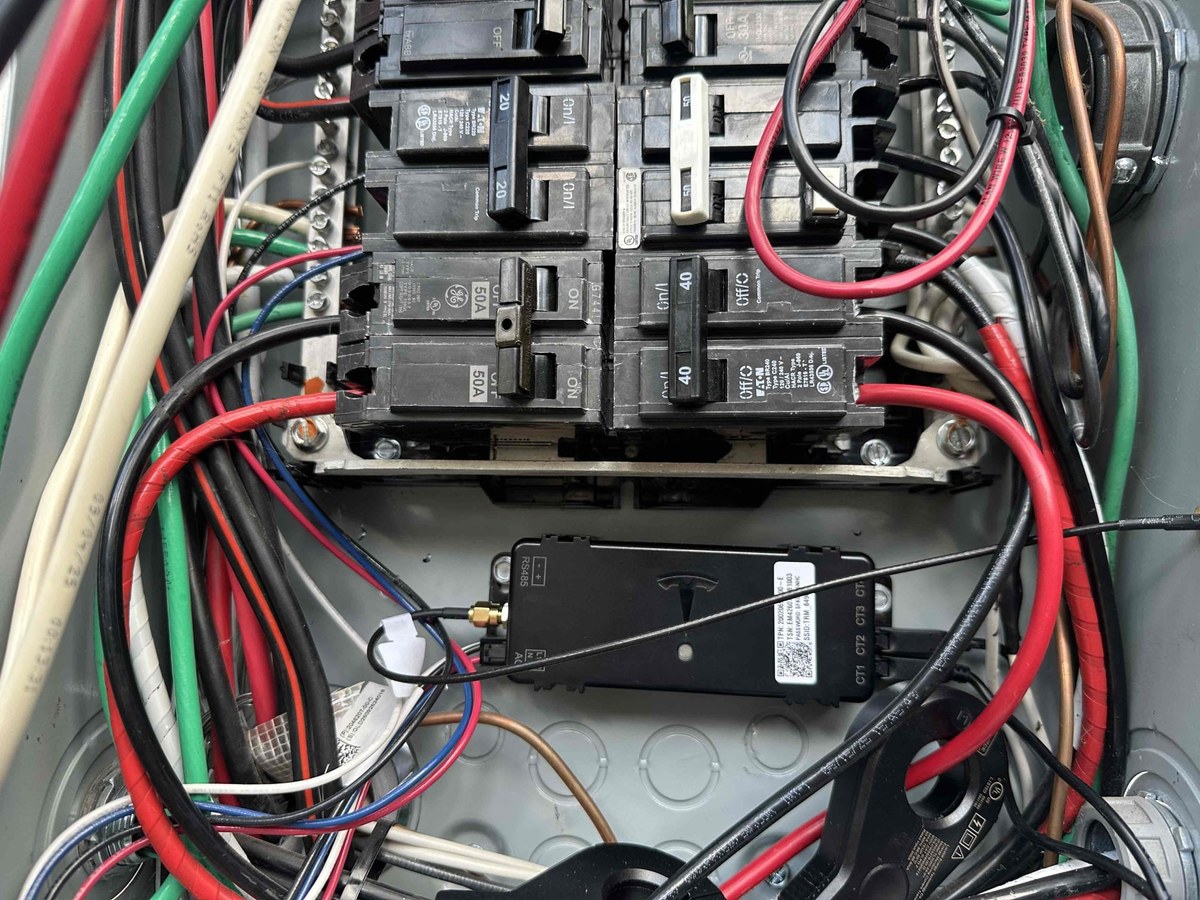
Top Four Solutions to This Problem
- Check the Headroom FirstWe measure inverter capacity, string voltage and conductor sizing before designing anything, so the plan is actually buildable.
- Design Around Mismatched ModulesSeparate strings, added optimizers or a second inverter, so new panels do not drag the old ones down.
- Handle the Utility PaperworkInterconnection applications and approvals with your specific utility, which is usually the longest part of an addition.
- Build It So It Reads as One SystemSingle monitoring view, matched racking, consistent labeling. The addition should look and report like it was always there.

Let’s get your solar working again.
Book online in under two minutes, or call and talk to someone in Texas.